
When Stress Becomes Your New Normal

One thing I didn't realize during some of the most stressful periods of my life was that stress doesn't always leave when the stressful moment ends.
I knew when I was experiencing stressful events. I could feel the frustration, worry, overwhelm, uncertainty, and emotional exhaustion that came with them. What I didn't realize was how much of that stress was quietly staying with me afterward.
Even on days when nothing particularly stressful was happening, I still felt tense, drained, and unlike myself. The stressful moments would come and go, but the effects seemed to linger in the background. It was there during busy days, but it was also there during calm mornings, family celebrations, and even quiet moments before bed. It had become a constant presence that slowly built up over time.
Because it wasn't dramatic or obvious, I didn't immediately recognize it for what it was.
Over time, I began noticing things that seemed unrelated at first. I was clenching my jaw throughout the day. My digestion felt off more often than not. My skin became more reactive and irritated. I felt exhausted even after sleeping. I found myself becoming less social and more withdrawn. Small tasks felt harder than they should have, along with a growing list of other symptoms that I had simply accepted as normal.
The strange part was that none of these symptoms seemed alarming on their own. They simply became part of my everyday life.
What I didn't understand at the time was that chronic stress can slowly become our baseline. We adapt to feeling tense, tired, overwhelmed, and disconnected. Eventually, we stop questioning it because it feels normal. It wasn't until I paused one day and asked myself, "Why don't I feel like myself anymore?" that I started to connect the dots. Looking back, the signs were everywhere.
Many common symptoms of chronic stress fall into four categories:
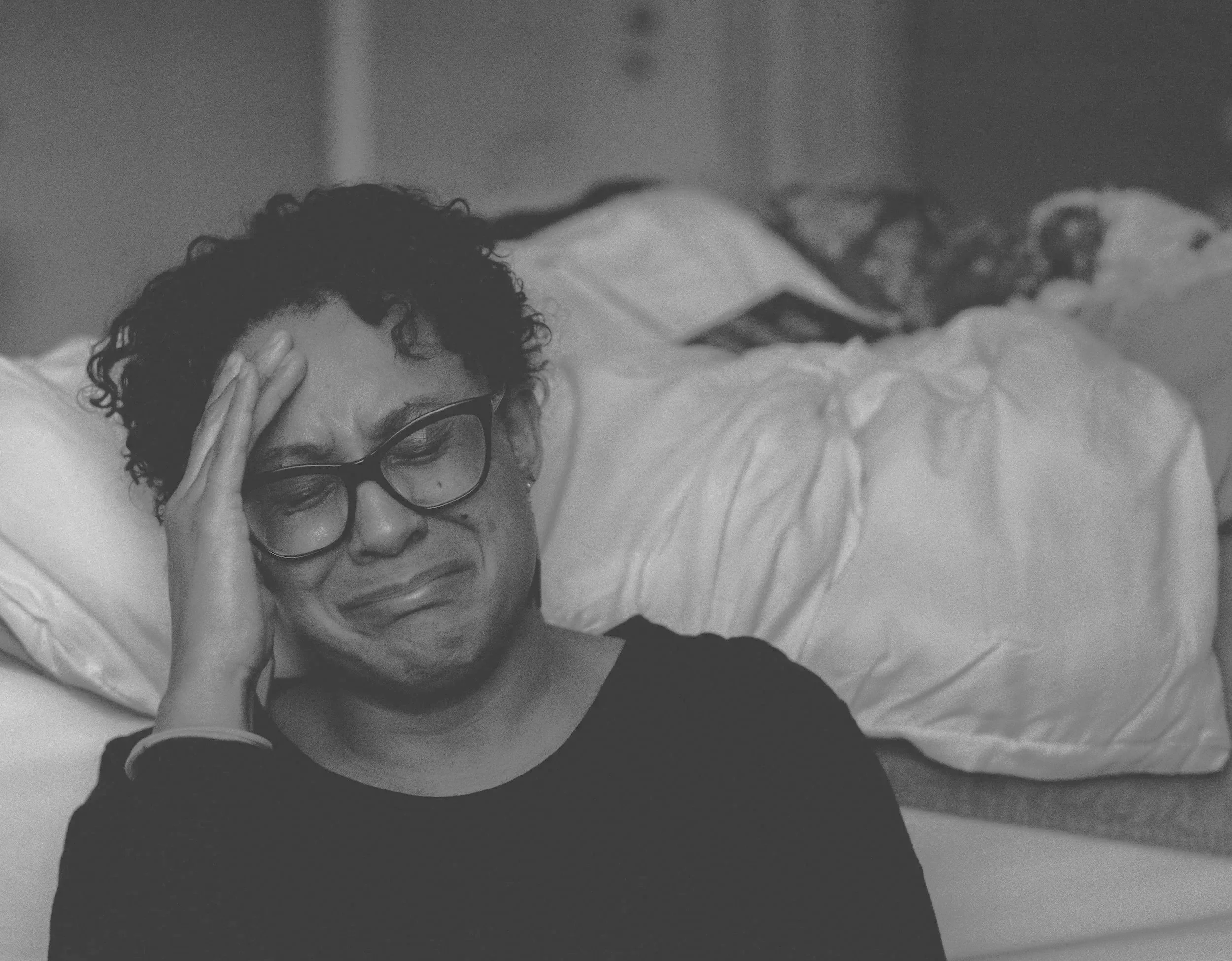
Cognitive Symptoms
Difficulty concentrating
Memory problems
Racing thoughts
Constant worrying
Seeing only the negative
Difficulty making decisions
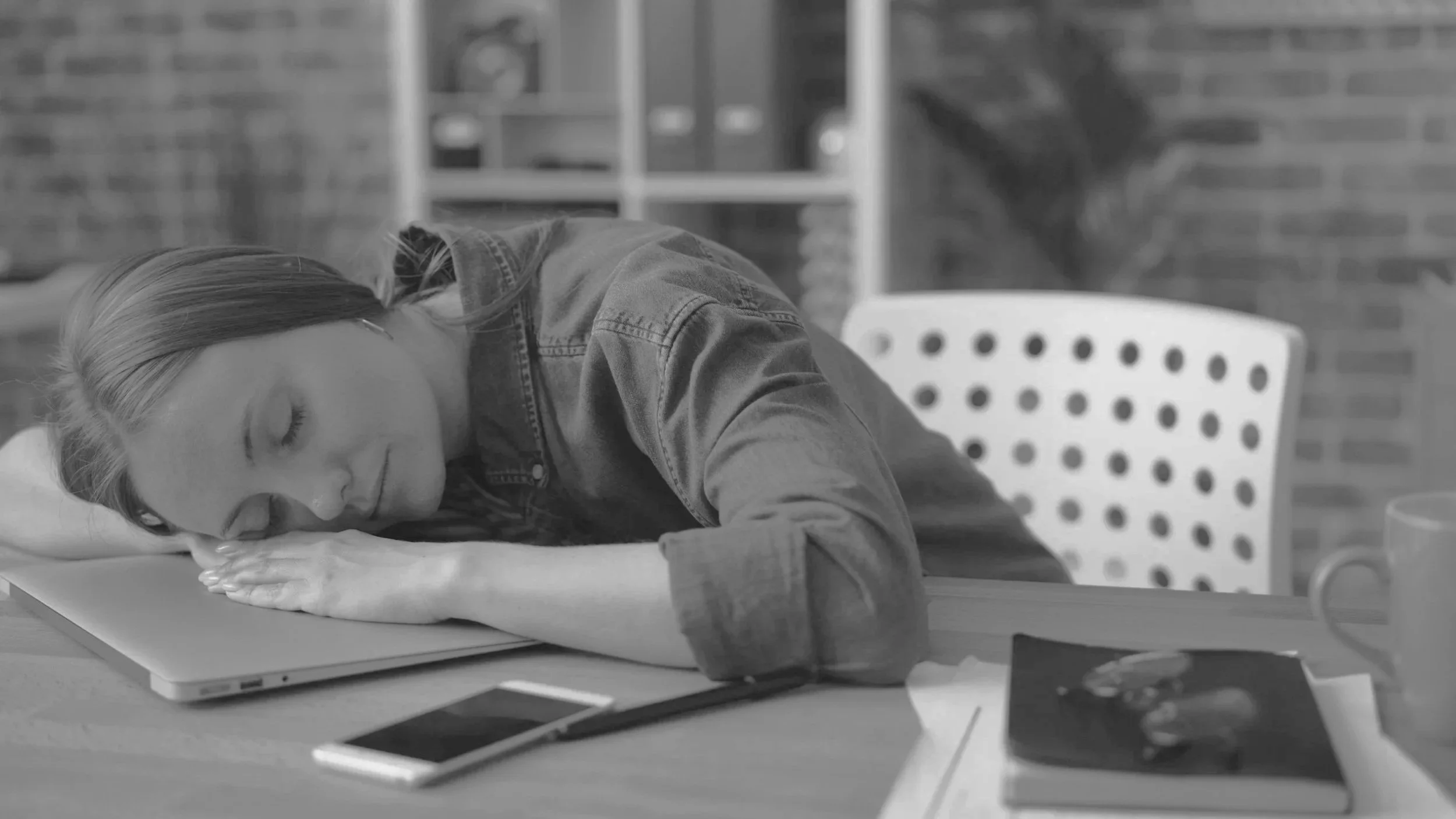
Emotional Symptoms
Feeling overwhelmed
Irritability
Anxiety or agitation
Feeling emotionally exhausted
Loneliness or isolation
General unhappiness

Physical Symptoms
Muscle tension and aches
Digestive upset
Nausea or dizziness
Fatigue
Rapid heart rate
Frequent illness
Skin sensitivity, irritation, or increased reactivity

Behavioural Symptoms
Withdrawing from others
Sleeping too much or too little
Eating more or less than usual
Procrastinating
Neglecting responsibilities
Nervous habits such as nail biting or teeth clenching
As I learned more about stress, I realized many of my own symptoms fit these categories. The jaw clenching, digestive issues, fatigue, irritability, and desire to isolate weren't random. They were signals that my body had been carrying more than it could comfortably manage.
One thing I've learned about chronic stress is that awareness often becomes the first step toward healing.
Not because awareness magically fixes everything.
But because you can't support what you don't notice.
We often notice the stressor. What we don't always notice is what the stressor leaves behind.
The good news is that once we become aware of what we're carrying, we can begin to support ourselves differently.
That doesn't mean fixing everything overnight.

Often, it starts with slowing down long enough to listen to what your mind and body have been trying to tell you. Taking small pauses throughout the day. Practicing self-compassion instead of self-criticism. Processing your thoughts through journaling, reflection, or conversation. Setting healthier boundaries around your time and energy. Giving yourself permission to rest when rest is needed.
These small acts may seem insignificant, but they can help interrupt the cycle of chronic stress and remind your nervous system that it doesn't have to stay in survival mode forever. When we take a moment to check in with ourselves honestly, we begin to recognize the patterns we've normalized. We start noticing how often we're running on empty, pushing through exhaustion, or dismissing symptoms that deserve our attention.
And that's where change begins.
Not with perfection.
Not with a complete life overhaul.
But with a simple pause.
A moment of honesty.
A little more self-compassion.
If you've been feeling unlike yourself lately, I want you to know that you're not alone. Sometimes stress builds so gradually that we don't recognize its impact until we're already carrying far too much.
Today, take a moment to ask yourself:
How am I really feeling?
The answer might tell you more than you expect.
You don't have to solve everything at once. Sometimes healing begins with one small step.
Jen
👉 Don’t forget to explore my stress support tools and free resources designed to help
overwhelmed women feel more calm, grounded, and supported.
————
LET’S STAY CONNECTED
Join my calm email community for gentle stress support, nervous system insights, and supportive resources.
👇
Jennifer Richardson | Stress Management Educator, Mental Wellness Practitioner & Author | Rediscover Happiness
Content on this website, including workbooks and social media, is for educational purposes only and is not a substitute for professional medical, psychological, or therapeutic advice. Results are not guaranteed. Affiliate Disclaimer: As an Amazon Associate, I earn from qualifying purchases.